
Data acquisition platform
PsIDCTurn business records into analytical data
Define sources and fields, organize extraction rules, then transform and load data for a target model and a clear analytical purpose.
Business records
device_codeoccurred_localevent_labelAnalytical model
asset_keybusiness_dateevent_countOrganize processing around the analytical goal
Sources and constraints
Define sources, fields, read scope and constraints to establish workable extraction rules.
Model transformation
Use the target analytical model to organize mappings and transformations while retaining identity and time meanings.
Processing extensions
Use built-in snippets, custom scripts, functions, stored procedures and other extensions for complex transformations.
Warehouse loading
Load transformed data into the target warehouse and check results against the analytical grain and load rules.
Product demonstration · Business records and analytical models
One set of records. Two analytical goals.
Keep individual events or group counts by asset and date. Choose a goal, then inspect the output fields and rules.
Two start-event records
2026-01-01 · Source and business time zone +08:00. Device AHU-01 maps to asset Building-A-AHU-01.
record_id | device_code | occurred_local | event_label |
|---|---|---|---|
EVT-001 | AHU-01 | 2026-01-01 08:05:00 | 开机 |
EVT-002 | AHU-01 | 2026-01-01 13:20:00 | 开机 |
Keep each event, with consistent field meanings.
To trace individual events by asset and time, first make the records identifiable and comparable.
source_record_key | asset_key | observed_at | event_kind |
|---|---|---|---|
EVT-001 | Building-A-AHU-01 | 2026-01-01T08:05:00+08:00 | START |
EVT-002 | Building-A-AHU-01 | 2026-01-01T13:20:00+08:00 | START |
device_codeasset_key- Map AHU-01 to Building-A-AHU-01 using the code lookup. Review unmatched codes separately.
occurred_localobserved_at- Interpret local times with the declared +08:00 source zone and retain the offset. Handle missing or invalid times separately.
event_labelevent_kind- Map 开机 (start) to START. Confirm the meaning of unknown labels before use.
record_idsource_record_key- Retain source keys EVT-001 and EVT-002. Confirm uniqueness and duplicate-record rules.
Two source records remain two normalized events, each traceable to its source.
Define the analytical grain, then form a daily record.
Count events by asset, business date and event kind; detail and summary serve different purposes.
asset_key | business_date | event_kind | event_count |
|---|---|---|---|
Building-A-AHU-01 | 2026-01-01 | START | 2 |
asset_keyasset_key- Group by normalized asset key. Matching device names do not establish one asset.
observed_atbusiness_date- Derive the business date in +08:00. Agree the business-day rule for events near midnight.
event_kindevent_kind- Group by the interpreted START event kind. Do not merge labels with unconfirmed meanings.
source_record_keyevent_count- Two distinct source keys count as 2 events. Confirm deduplication, backfill and replace/append rules before loading.
Two normalized events form one daily record. event_count = 2 counts events. Check source coverage and retain detail before loading.
Compare source records and the daily output when preparing fields and transformation rules.
Application scenarios
Start with the question the data must answer
Trace equipment events
To inspect what happened to a device and when, retain source record identifiers and timestamps with their time zones.
Review daily event counts
To compare daily counts, agree the grouping by asset, business date and event kind first.
Configure conditions and trace execution
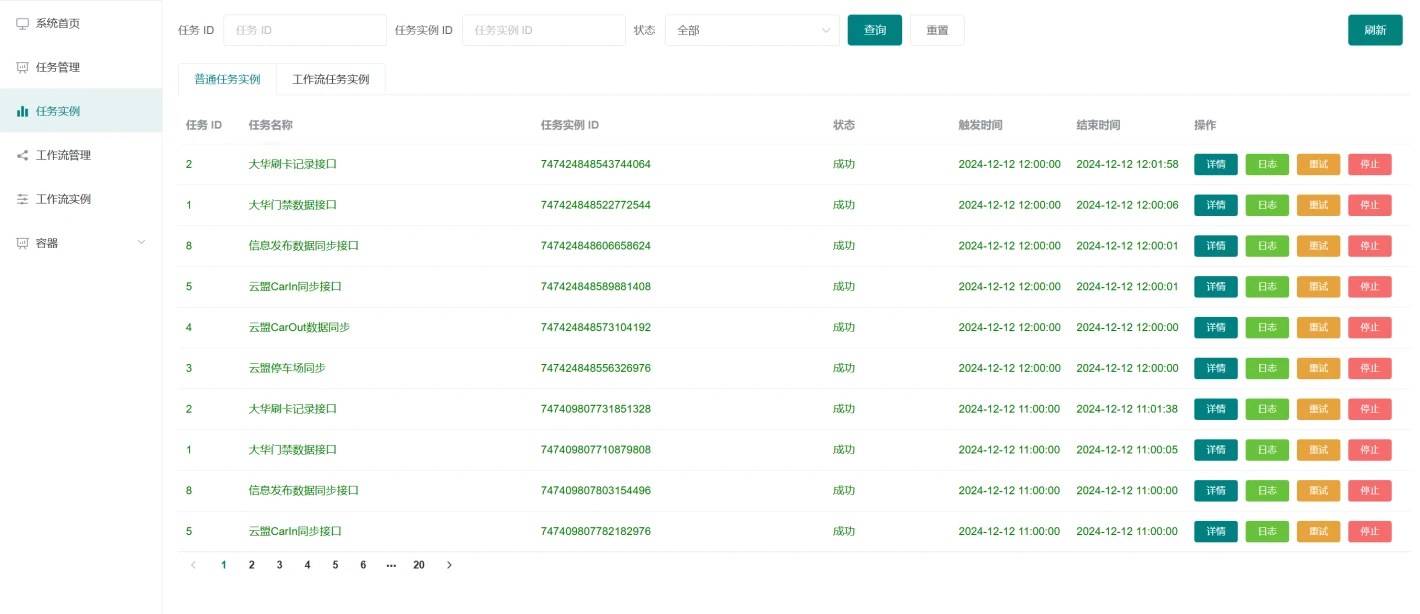
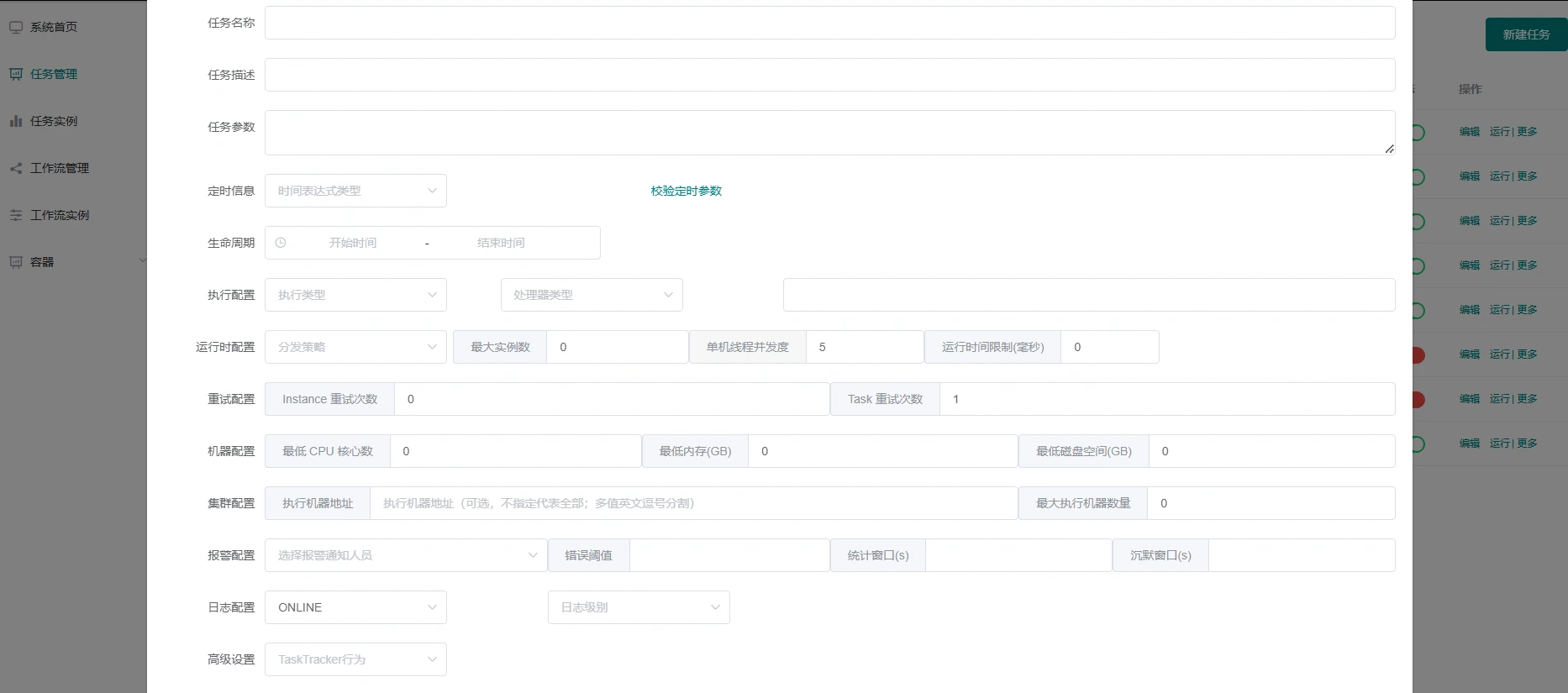
Use these originals to inspect task configuration and execution records. Review field mappings and the target model through the rules above.
Task instances and execution records
Task configuration and execution conditions
PsIDC
Bring the source fields and the model you need
Describe where the data comes from and how it should be analyzed and stored. Agree transformation rules, dependencies and checks.